
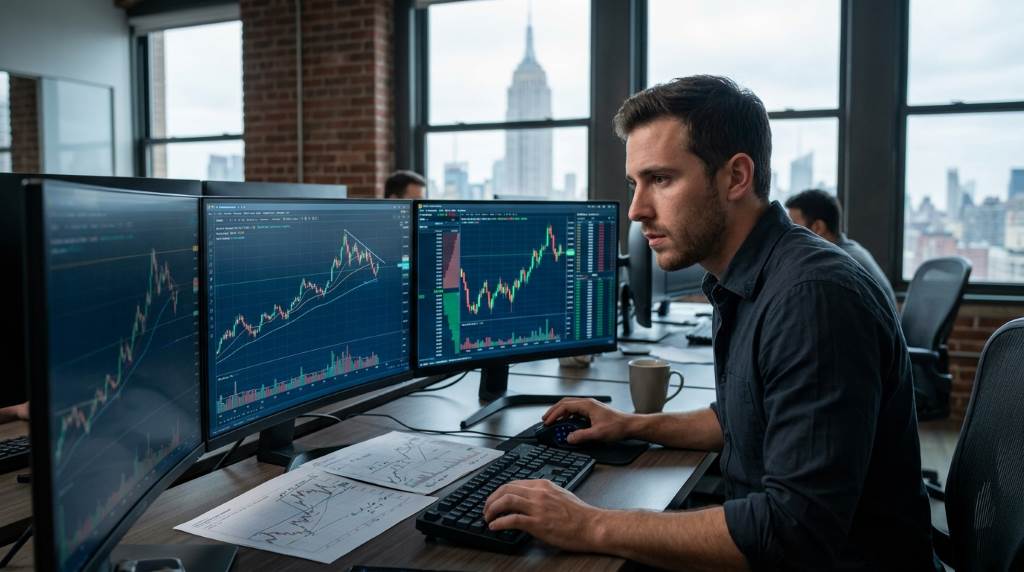
Scalping remains one of the fastest trading methods in modern financial markets. According to several trading industry reports, more than 40% of active day traders rely on short-term market strategies to capture small price movements. In New York, NY, traders work inside one of the busiest financial environments in the world, so precision matters every second. Many professional scalpers study old price behavior before risking capital because past data often reveals hidden patterns. In fact, traders who follow a structured tradingview forex backtesting tutorial often improve entry timing and reduce emotional mistakes during live sessions.
Historical market data gives scalpers a detailed view of how price reacts under pressure. Traders in New York face constant volatility because financial news, institutional orders, and global events hit the market quickly. Therefore, they use previous charts to identify repeatable conditions before placing trades. This process helps them avoid random decisions and improves trade consistency over time. As competition grows, many traders now depend on historical analysis more than instinct alone.
Why Scalping Requires Extreme Accuracy
Scalping focuses on capturing very small market movements within minutes or even seconds. Because profit targets stay small, traders cannot afford weak entries or delayed reactions. New York scalpers often trade during high-volume sessions where price changes happen rapidly. As a result, every decision depends on speed, timing, and reliable market information. Historical market data helps traders prepare for these fast-moving conditions before the opening bell.
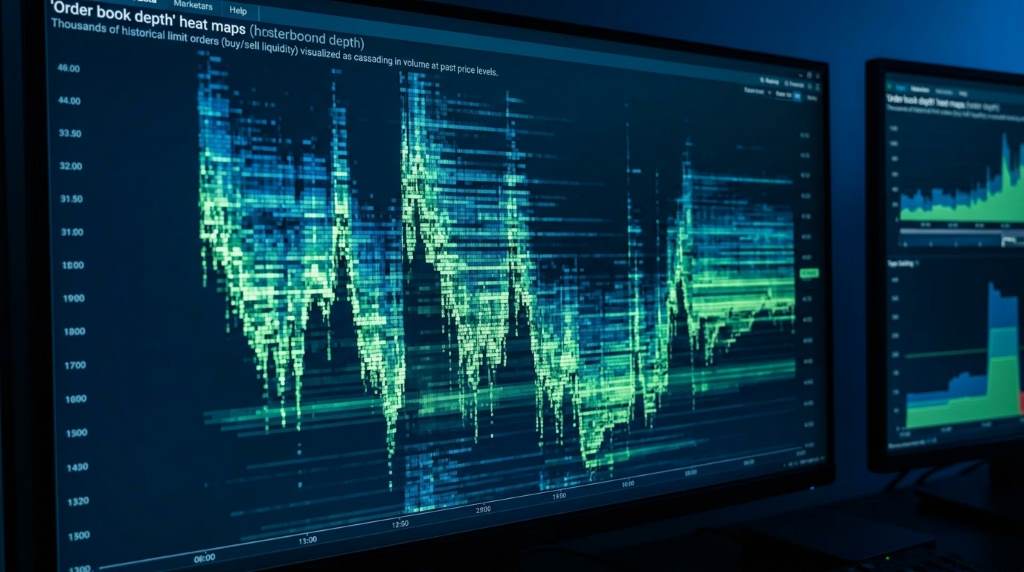
Many traders in Manhattan and Brooklyn analyze historical order flow before the market opens each morning. They compare previous sessions to current pre-market activity and look for matching behavior. Consequently, they gain confidence before entering risky trades during volatile periods. Some professionals also study digital fraud targeting methods because online trading communities sometimes spread manipulated signals during high-volume market events.
How Historical Data Improves Decision Making
Historical market data helps traders recognize patterns that repeat under similar market conditions. For example, some stocks react aggressively during Federal Reserve announcements while others remain stable. Traders who study past reactions can build better entry and exit plans for future sessions. Additionally, they reduce emotional trading because their decisions rely on tested market evidence rather than assumptions. This approach creates a more disciplined trading process.
New York scalpers often divide market data into different categories for deeper analysis. They examine opening range breakouts, lunchtime slowdowns, and closing session volatility separately. Because each trading period behaves differently, traders create strategies for specific windows instead of using one method all day. This detailed approach increases precision during fast-moving sessions. Moreover, it helps traders understand how liquidity changes throughout the trading day.
Key Data Types Scalpers Analyze
- Price action history from previous trading sessions
- Volume spikes during major market events
- Order book behavior near support and resistance levels
- News-driven volatility patterns
- Market reactions during economic reports
Professional traders also compare historical volatility between seasons in New York markets. Winter months often produce slower trading conditions during holiday periods, while summer sessions may show irregular movement because of lower institutional participation. Therefore, scalpers adjust risk management depending on the time of year. Some traders even reduce trade size during extreme snowstorms because transportation delays and internet instability can affect execution speed. These local conditions create unique challenges for New York traders.
The Role of Backtesting in Scalping Strategies
Backtesting allows traders to test strategies using historical price movement before risking real money. This process helps scalpers understand how a strategy performed under different market conditions. Many New York traders use one-minute and five-minute charts to evaluate accuracy rates over hundreds of trades. Consequently, they can remove weak setups and focus only on strategies with consistent results. Backtesting also improves emotional control because traders trust proven data.
Some traders spend months collecting historical trade screenshots and recording execution details. They document entry timing, stop-loss placement, and trade duration to identify patterns. As a result, they uncover hidden weaknesses that may not appear during live trading alone. Business owners who later transition trading desks internally sometimes study employee ownership transitions because structured systems often improve operational accountability inside trading firms.
Benefits of Backtesting for Scalpers
- Improves confidence during live market sessions
- Reduces emotional and impulsive decisions
- Identifies weak trading patterns early
- Supports better stop-loss placement
- Creates measurable performance statistics
Backtesting also helps traders adapt to changing market behavior over time. Strategies that worked well in 2021 may fail under different economic conditions in 2026. Therefore, traders continuously compare new data with old performance records. This process keeps their systems flexible and relevant. In highly competitive markets like New York, adaptability often separates profitable scalpers from struggling traders.
How Institutional Activity Shapes Scalping Opportunities
New York remains home to some of the world’s largest financial institutions and hedge funds. Because institutional orders create strong price movement, scalpers closely study historical reactions to large-volume trades. Many traders monitor specific stocks that regularly experience institutional accumulation or distribution. Consequently, they identify repeatable momentum opportunities during peak trading hours. Historical data helps them recognize these patterns before retail traders notice them.
Experienced scalpers also track how major economic announcements affected the market in previous years. They study reactions during inflation reports, unemployment updates, and Federal Reserve meetings. As a result, they prepare for possible volatility before the event occurs again. This preparation reduces panic and improves execution quality during high-pressure trading periods. Furthermore, it helps traders avoid unnecessary losses caused by emotional reactions.
Another uncommon practice among New York scalpers involves studying subway commuting patterns and local market participation timing. Many traders noticed that heavy transportation delays during storms or maintenance periods slightly reduce early retail trading volume. Therefore, some professionals compare these conditions with historical liquidity changes before entering aggressive positions. Although this factor seems unusual, experienced traders often search for every possible market advantage. Small timing adjustments can significantly affect short-term trading results.
Technology and Data Analytics in Modern Scalping
Technology has transformed how scalpers analyze historical market data. Advanced charting software now allows traders to replay previous sessions tick by tick. Because of this feature, traders can practice decision making under realistic market conditions without financial risk. Many New York traders spend hours reviewing historical executions after the market closes. This routine strengthens discipline and sharpens pattern recognition skills.
Artificial intelligence tools also help modern traders process large amounts of historical information quickly. Some platforms identify recurring breakout patterns and alert traders before similar setups appear again. Consequently, traders save time while improving analytical accuracy. However, experienced scalpers still review the data manually because automated systems can misinterpret unusual market conditions. Human judgment remains essential in fast-moving financial environments.
Popular Historical Analysis Techniques
- Replay trading simulations
- Volume profile analysis
- Candlestick pattern comparison
- Time and sales review
- Liquidity zone mapping
New York traders also monitor historical spreads between stocks, indexes, and futures contracts. They study how related assets moved during previous market shocks and earnings seasons. Therefore, they can anticipate correlated price movement before it fully develops. This method improves reaction speed during intense trading sessions. In many cases, historical correlation analysis provides an extra layer of market confirmation.
Risk Management Through Historical Data
Risk management remains one of the most important parts of successful scalping. Since scalpers place multiple trades daily, small mistakes can accumulate quickly. Historical market data helps traders estimate realistic stop-loss levels and profit targets before entering trades. As a result, they avoid oversized risks during unstable conditions. This structured process protects trading capital during difficult market periods.
Professional traders in New York often review historical losing streaks to improve emotional discipline. They analyze whether losses occurred during specific hours, market conditions, or economic events. Consequently, they identify weak periods and reduce trading activity during those times. This habit improves long-term consistency and prevents revenge trading. Traders who ignore historical performance data often repeat the same costly mistakes.
Many scalpers also create personal databases containing years of trading results and market screenshots. These records help them compare current conditions with previous winning setups. Therefore, they gain faster confidence when opportunities appear during live sessions. Organized data collection also improves accountability because traders can measure real performance trends. Over time, this discipline becomes a competitive advantage.
Psychological Benefits of Historical Analysis
Historical analysis improves more than technical accuracy because it also strengthens trading psychology. Traders who trust tested data often remain calmer during volatile sessions. Consequently, they avoid emotional reactions that destroy consistency. Confidence built through preparation allows scalpers to follow structured plans instead of chasing random opportunities. Emotional stability becomes especially important during fast-moving New York trading hours.
Many experienced traders review historical charts before the market opens to mentally prepare for possible scenarios. They visualize breakout patterns, reversals, and failed setups based on previous sessions. As a result, they react more efficiently when similar conditions appear during live trading. This mental rehearsal reduces hesitation and improves execution speed. Preparation often creates a major psychological edge in competitive markets.
Conclusion
New York, NY scalpers use historical market data because accuracy determines survival in fast financial markets. Historical analysis improves timing, risk management, emotional control, and strategy development. Moreover, traders who consistently review past market behavior often adapt faster to changing economic conditions. If you want stronger trading performance, start building a structured data review process today and continue refining your strategy with disciplined analysis. Many growing firms also study cash flow management strategies because financial discipline supports long-term trading stability.
FAQs
Why do scalpers rely on historical market data?
Scalpers use historical data to identify repeatable patterns and improve trade timing.
What charts do most New York scalpers use?
Most scalpers use one-minute and five-minute charts for fast decision making.
Does backtesting improve trading confidence?
Yes, backtesting helps traders trust their strategies through proven historical results.
Why is New York important for scalping?
New York offers high liquidity and strong market volatility during active trading sessions.
Can beginners use historical data effectively?
Yes, beginners can improve discipline and reduce mistakes by studying past market behavior.