Looking for the perfect golf bag for walking the course? Choosing wisely can transform your game and make every round enjoyable. Here’s exactly how to select the best golf bags for walking players—spotting the right features, avoiding pitfalls, and finding comfort all day long.
Golf is a game of precision, endurance, and enjoyment. Yet, many players overlook one vital piece of equipment: the golf bag. For walking players, a poor choice can lead to aching shoulders, fatigue, and a ruined game. The agony of lugging a heavy, disorganized, and poorly fitted bag can distract from every shot. But with a little insight, you can find a golf bag tailored to walking players. This guide will walk you through every consideration, comparison, and tip for picking a supportive, lightweight, and functional bag. By focusing on what really matters—weight, storage, carrying style, and smart features—you’ll boost your comfort and performance round after round.
What Are the Key Features of Golf Bags for Walking Players?
The best golf bags for walking players are lightweight, ergonomic, and have well-padded straps. Look for streamlined designs, comfortable carrying systems, balanced weight distribution, and easy-to-access pockets. These features minimize fatigue, maximize convenience, and help you focus fully on your game.
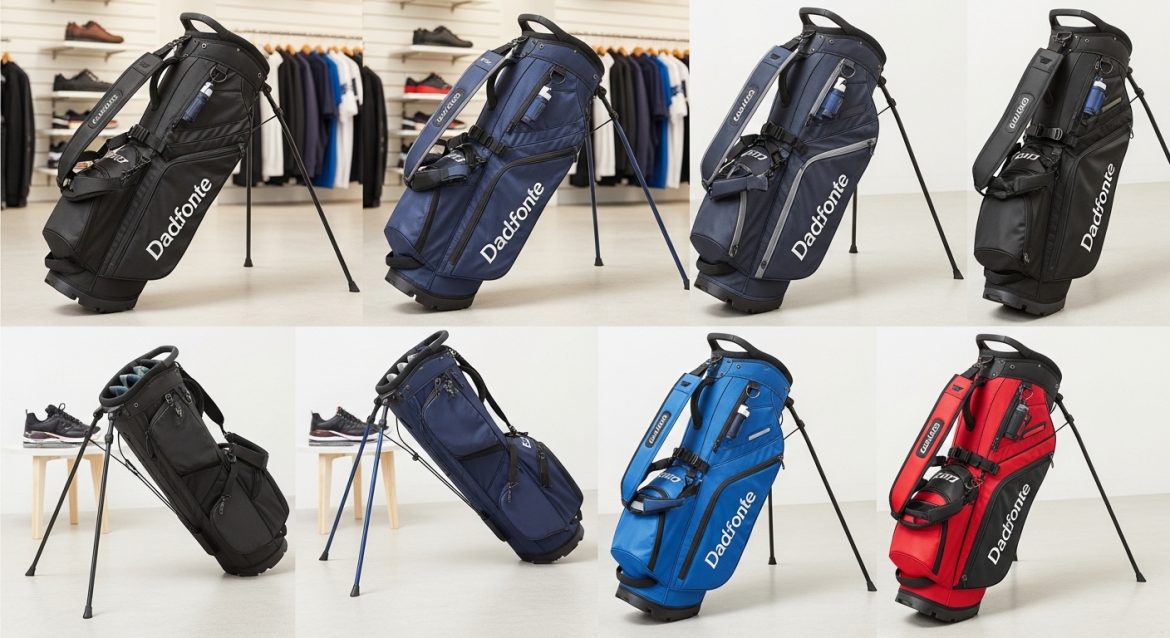
When selecting a golf bag for walking, weight is the primary concern. Most walking players favor stand bags, which are specifically designed for ease of use on foot. Stand bags typically weigh between 3 and 5 pounds and feature dual padded straps that evenly distribute weight across your shoulders. Good bags also have sturdy, automatic legs that keep your clubs upright and accessible on any terrain. Thoughtful storage, such as separate pockets for valuables, balls, and water bottles, ensures you carry everything you need without extra bulk. Finally, breathable back padding helps on hot days, while simple yet secure closures prevent lost gear as you traverse uneven fairways.
How Does Bag Weight Affect Comfort When Walking the Course?
Carrying a heavy golf bag can quickly lead to muscle fatigue, sore shoulders, and decreased performance. Lighter bags smooth out your walk, reduce physical stress, and keep your energy focused where it counts—on your swing and shot selection.
Excess bag weight often piles strain onto your back, neck, and legs after just a few holes. That’s why modern golf bags for walking players are crafted from lightweight materials like nylon or carbon fiber. An ultralight bag won’t drag you down and makes every step less taxing. Don’t underestimate ounces—over 18 holes, small weight savings deliver big comfort. When testing bags, pick them up fully loaded to feel the real impact. Bags under 5 pounds are ideal for most walkers, but even slight reductions matter. Padded straps further distribute weight, preventing pressure points and allowing for a natural stride.

Which Type of Golf Bag Is Best for Walking Players—Stand, Carry, or Hybrid?
Stand bags are the preferred option for walking players due to their balance of light weight, stability, and organizational features. Some hybrids work, but avoid larger cart bags—they’re heavy and cumbersome on foot.
Let’s break down your options:
- Stand bags have built-in kick-stand legs, making them easy to set up anywhere. Their dual straps and structured shape let you carry clubs securely and accessibly. These bags are light, durable, and made for mobility.
- Carry bags are even lighter and more minimal but lack stands. They’re well-suited for short rounds or minimalist players. However, resting your bag directly on the ground each hole can feel inconvenient.
- Hybrid bags aim to give you the best of both worlds—lightweight portability with extra storage and sometimes added cart features. These can work for versatile golfers but may add unnecessary weight for true walkers.
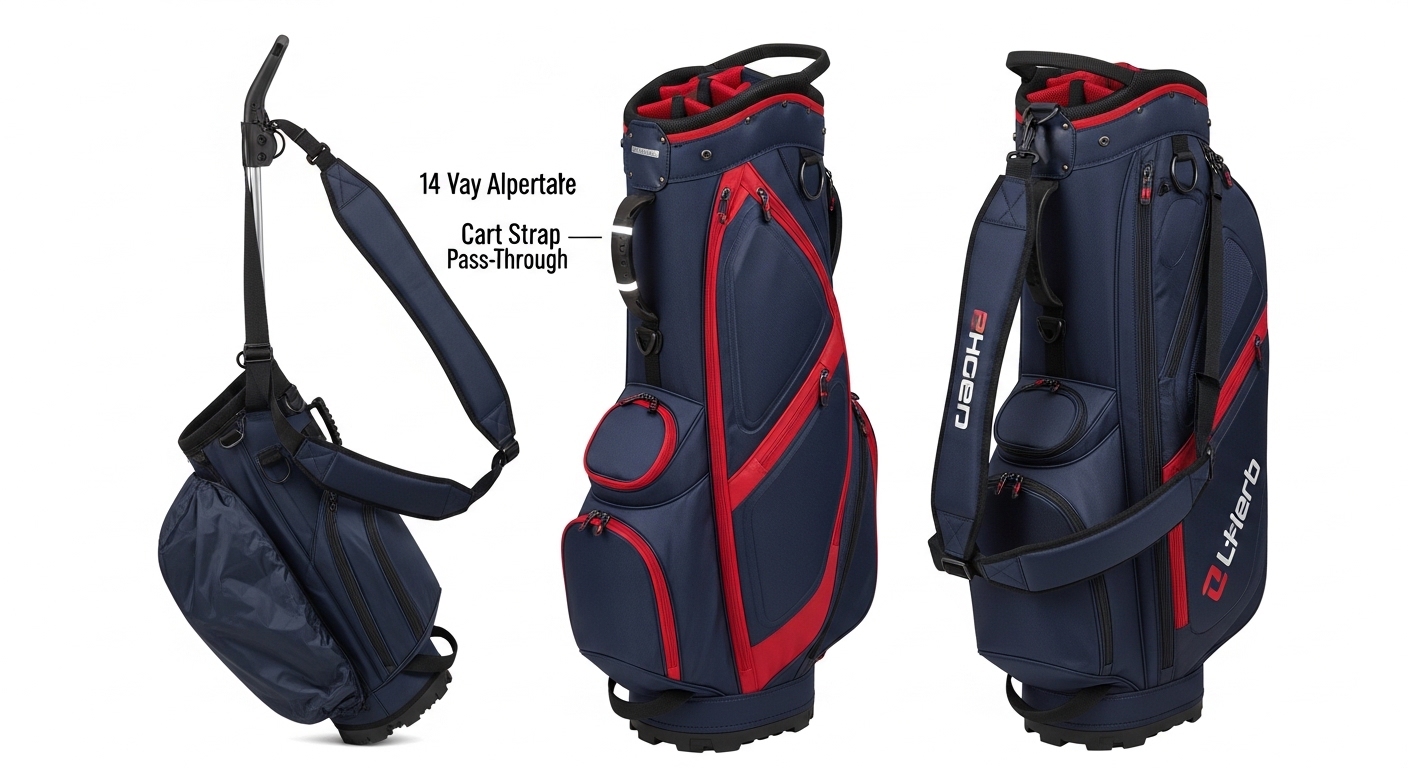
- Cart bags are heavy, designed for riding or carts, and should be avoided if you plan to walk the course regularly.
Ultimately, a lightweight stand bag will suit most walking players’ needs perfectly, blending convenience, comfort, and practicality.
How Should a Golf Bag Fit and Adjust for Maximum Comfort?
Your golf bag should have adjustable, padded straps that distribute weight evenly across your shoulders. The bag’s height should align with your torso, and chest/belt straps add extra stability. Customizing the fit prevents pain and fatigue during long rounds.
Most modern golf bags for walking players feature backpack-style dual straps. Adjust these so the bag sits centered on your back, not swinging low towards your hips or riding high against your neck. The padding should contour comfortably, avoiding tightness or pinching. Look for bags with quick-adjust tabs or buckles, allowing you to tweak the fit mid-round as your load shifts. Some premium bags include ventilated back panels, reducing sweating and chafing. If your bag slides around as you walk, consider a model with additional chest or belt straps for increased stability, especially on hilly courses. Trying on different bags in-store, fully loaded, is the best way to ensure a comfortable, tailored fit.

What Storage and Organization Features Matter Most for Walkers?
Prioritize golf bags for walking players with smart, accessible storage. Key elements include dedicated water bottle holders, waterproof valuables pockets, separate compartments for balls and tees, and simple club dividers for organization and balance.
Efficient storage means less fumbling and more focus on your game. A good walking bag should have:
- Insulated water bottle sleeve: Staying hydrated is crucial—easy access saves time and effort.
- Waterproof zipper pockets: Protects your phone, wallet, and keys in wet or humid conditions.
- Ball and tee slots: Prevents digging and keeps essentials handy.
- Simple club dividers: Three or four-way dividers are ideal—more slots can add unnecessary weight.
- Apparel pouch: Stores rain gear or an extra layer for comfort in changing weather.
Extras like umbrella holders, glove patches, and towel loops can add functional value without major bulk. Just avoid over-packing—fewer, smarter pockets mean less to carry and less to worry about on the course.
How Do Materials and Build Quality Impact Durability and Comfort?
Higher-quality materials like ripstop nylon, reinforced stitching, and EVA foam padding increase the durability and comfort of golf bags for walking players. Look for water-resistant builds and sturdy stands to handle unpredictable weather and repeated use.
Durability is essential when you’re carrying your golf bag round after round. Low-grade materials can tear, fade, or break, spoiling your investment and your walk. Modern stand bags use ripstop or ballistic nylon for the main body, often with waterproof coatings for extra weather defense. Reinforced stitching along stress points prevents strap or pocket failure. Check for tough, rust-resistant zippers and snaps. Premium foam in the straps and back padding cushions your shoulders for hours. Auto-deploying stand legs made from lightweight yet strong aluminum or carbon ensure stability and prevent frustrating tip-overs. Choosing quality construction means your bag stays reliable, season after season.

What Are the Top Golf Bags for Walking Players in 2024?
Some of the best golf bags for walking players in 2024 include the Titleist Players 4, Sun Mountain 2.5+, Ping Hoofer Lite, and Callaway Hyperlite Zero. These bags are all lightweight, comfortable, and offer excellent storage solutions for walkers.
Here’s a quick comparison of leading walking bags this year:
| Bag Model | Weight (lbs) | Strap System | Pockets | Key Features | Price Range |
|---|---|---|---|---|---|
| Titleist Players 4 | 3.8 | Dual, padded | 7 | Waterproof, ergonomic | $200-$230 |
| Sun Mountain 2.5+ | 2.9 | X-strap, ultra-light | 6 | Carbon legs, minimalist | $240-$270 |
| Ping Hoofer Lite | 5 | Convertible, breathable | 7 | Full-length dividers, durable | $210-$235 |
| Callaway Hyperlite Zero | 3 | Self-adjusting, padded | 7 | Streamlined & ultra-light | $240-$260 |
Each of these models delivers comfort, utility, and weather resistance tailored to the needs of walking golfers in 2024.
How Can You Maintain and Extend the Life of Your Walking Golf Bag?
Proper care extends your golf bag’s lifespan. Always empty and air it out after rounds, store it dry, and regularly inspect for wear on straps and zippers. Occasional cleaning with gentle soap and water preserves performance and keeps your investment looking sharp.
Here are a few essential maintenance tips:
- Clean dirt and grass stains promptly after each round.
- Let the bag air-dry indoors, away from direct sunlight, especially if it gets wet.
- Check seams, zippers, and pockets for damage or tears and repair them immediately.
- Store the bag upright or hang it by the top loop to maintain shape and stand integrity.
- Periodically apply waterproofing spray if your bag’s coating wears thin.
Caring for your bag ensures it keeps up with your walking game for years. A well-maintained bag also protects your clubs and valuable accessories.
How Much Should You Spend on a Golf Bag for Walking?
You can expect to spend between $150 and $300 for a high-quality walking golf bag. Investing in comfort, durability, and thoughtful features pays off with less fatigue and a better walking experience.
It’s tempting to go cheap, but repairing or replacing a low-cost bag adds expense over time. More expensive bags use better padding, lighter materials, and weather-resistant fabrics. Prioritize your must-have features—such as padded double straps, waterproof pockets, or insulated drink sleeves—so you get the most value for your money. Remember, your golf bag is not just a carrying tool—it protects clubs worth hundreds (or thousands) of dollars and directly affects your enjoyment every round. Ultimately, view it as an investment in your game and your long-term comfort.
What Should You Avoid in a Golf Bag for Walking?
Avoid bulky cart bags, bags with excessive club dividers, heavy materials, and single-strap designs. These features add unnecessary weight, hinder movement, reduce comfort, and can turn walking rounds into painful endurance tests.
Many beginners believe extra pockets or dividers mean better organization, but over-complicating your setup leads to clutter and extra pounds. Single-strap systems place all the pressure on one shoulder, leading to imbalances and strain. Thick leather or canvas looks stylish but is not practical for walking long distances. Look for clean, purpose-driven designs in every feature to keep things light and efficient for every step you take.
Frequently Asked Questions About Golf Bags for Walking Players
What is the ideal weight for a walking golf bag?
The best golf bags for walking players generally weigh between 2.5 to 5 pounds when empty. Lighter bags allow you to carry clubs and gear with minimal fatigue, especially over 18 holes.
Do I really need dual straps on my walking golf bag?
Yes, dual straps distribute weight evenly across both shoulders, promoting comfort and balance. Single straps can cause shoulder and back pain over long distances, making dual straps essential for serious walkers.
How many dividers should a walking bag have?
Three or four-way dividers are ideal. They organize clubs and prevent crowding without adding much weight. Bags with more dividers can become unnecessarily bulky for walkers.
Are waterproof golf bags worth it for walking players?
If you often play in wet climates, a waterproof or water-resistant bag is a wise investment. It protects your gear and valuables, helping ensure your bag lasts through rain or humidity.
Can I use a hybrid or cart bag for walking if I want more storage?
Hybrid bags are an option if you want more storage but they tend to be heavier. Cart bags are not recommended for walking—they are much too heavy and difficult to carry comfortably across a full round.
How do I clean and maintain my golf bag after walking a muddy course?
Brush off dirt and rinse with mild soapy water. Avoid harsh chemicals. Remove all contents and let the bag dry fully indoors. Regular care prevents stains and keeps your bag functioning its best.
What’s the best way to test a golf bag for walking comfort?
Try the bag fully loaded in a store—adjust the straps so the bag sits centered and snug against your back. Walk around, noting any pressure points or shifting. The right fit should feel natural and stable at every step.
Conclusion: Make Every Walking Round More Comfortable
Choosing the right golf bag for walking players is crucial for enjoying every hole. When you pick a lightweight, ergonomic, and well-designed bag, your focus stays on golf, not your aching shoulders. Prioritize fit, support, practical storage, and proven durability. Don’t hesitate to try bags on and invest in quality—it pays off with more energy, less fatigue, and a more enjoyable walk every round. Ready to experience the difference? Shop high-quality walking golf bags today and elevate your entire game!
Read More Also: A Guide to Setting Up Your Own DJ Business
Learn More: Sureshot Quick Business Plan for a Food Truck