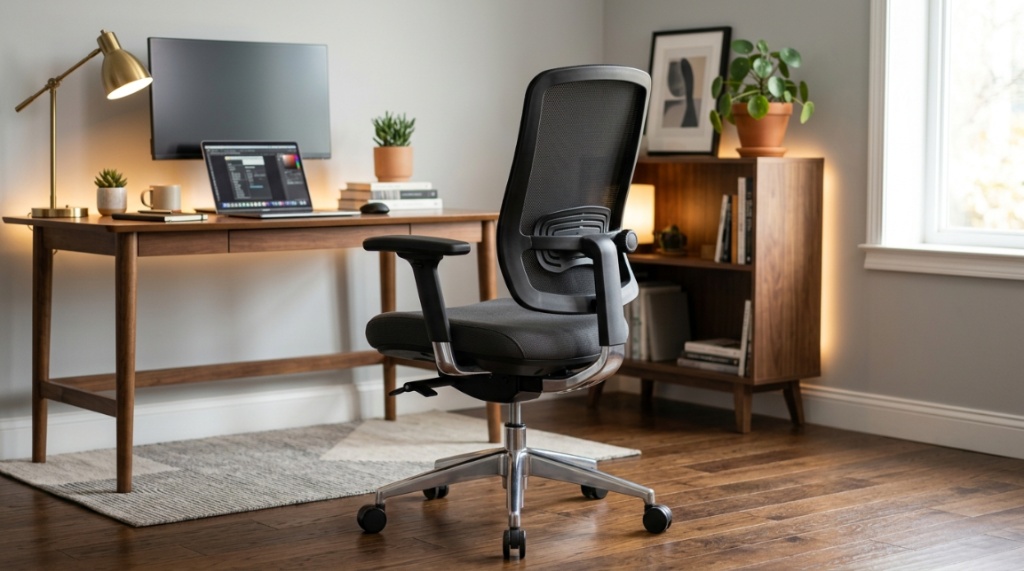
If you spend more than a few hours a day at a desk, you already know the feeling: the dull ache in your lower back, the stiffness in your shoulders, and the constant shifting in your seat trying to find a comfortable position. It’s a common problem, but the solution isn’t just any office chair—it’s one that provides genuine, targeted back support. For residents of Washington, from the tech corridors of Seattle to the home offices in Spokane, finding the right chair is about more than just comfort; it’s about long-term health and productivity. This guide is designed to help you cut through the marketing noise and identify the top rated back support office chairs WA has to offer, based on actual ergonomic principles and practical needs, not just flashy features.
Key Takeaways
- Prioritize chairs with independent lumbar support adjustment, not just a fixed curve, to accommodate your specific spine shape.
- Seat depth and width are as critical as backrest support; a chair that doesn’t fit your body frame cannot provide proper spinal alignment.
- Consider the “4-hour test”—a chair may feel comfortable for a short demo but reveal pressure points or poor support during a full workday.
- In Washington’s variable climate, breathable mesh materials are often a better long-term investment than plush leather or foam that retains heat.
- Look beyond the price tag; a mid-range chair with robust adjustability often outperforms a luxury model with limited customization options.
Why “Top-Rated” Is Relative to Your Body
The phrase “top-rated” is subjective. A chair that earns rave reviews from a 6-foot-tall, 250-pound individual may be completely unsuitable for a 5-foot-2, 130-pound person. The fundamental goal of an ergonomic chair is to maintain the natural ‘S’ curve of your spine, particularly the lumbar lordosis in your lower back. However, everyone’s spine has a unique curvature. When you search for the top rated back support office chairs WA, you are really looking for a chair that can be adjusted to fit your specific anatomy. This means you should prioritize chairs that offer multiple points of adjustment over those that rely on a one-size-fits-all foam pad.
The most critical adjustment is the lumbar support’s depth and height. Many chairs have a lumbar “bump” that is fixed in place. While this may be better than nothing, it often misses the mark. You need a lumbar support that can be moved up or down to fit the natural curve of your lower back and, ideally, one that can be adjusted in depth to provide the right amount of pressure. This customization is what turns a merely comfortable chair into a therapeutic tool.
Understanding Your Own Spinal Needs
Before you even start browsing, take a moment to assess your own posture. A simple way to do this is to sit against a wall with your heels a few inches away. Place a hand behind your lower back. You should feel a small gap between your back and the wall—this is your lumbar curve. If the gap is large, you may need more aggressive lumbar support. If it’s small, less is more. This self-assessment will inform the type of support you need, making you a more informed buyer.
Key Ergonomic Features That Define a Top-Tier Chair
Knowing what to look for is half the battle. A chair is a complex piece of equipment, and focusing on the right components ensures you get the support you need. Beyond the lumbar adjustability we just discussed, several other features separate a truly supportive chair from a generic one. These are the elements that directly impact your posture and comfort over a long workday.
Seat Depth and 4-Way Adjustable Armrests
Seat depth is the distance from the back of the seat to the front edge. When you sit with your back against the backrest, you should have about 2-3 fingers’ width of space between the back of your knees and the front edge of the seat. If the seat is too deep, it will press against the back of your legs, restricting circulation and causing discomfort. If it’s too shallow, you won’t get adequate thigh support. A sliding seat pan is a non-negotiable feature for proper ergonomics.
Armrests are another frequently overlooked factor. Your arms should rest gently, with your shoulders relaxed. If your armrests are too low, you’ll slouch; if they’re too high, you’ll shrug your shoulders. Look for 4D armrests (height, width, depth, angle) to ensure you can position them to support your arms without affecting your posture. This reduces strain on your neck and upper back.
The Importance of Tilt Tension and Locking Mechanisms
A chair that lets you rock back and forth can be great for relieving pressure on your spine, but it needs to be controlled. A good tilt tension knob allows you to adjust how much resistance there is to your recline. You want the chair to support you as you lean back, not fling you backward. Furthermore, a multi-position lock is useful for when you need to sit upright for focused work versus reclining for a break. These mechanisms are the difference between a chair that feels dynamic and one that feels flimsy,To maintain your physical well-being and prevent stiffness throughout the workday, try incorporating simple movements like Getting some stretches whilst at your desk.
Shopping for an Office Chair in Washington: Local Considerations
While the principles of ergonomics are universal, where you live in Washington might subtly influence your choice. The climate, from the damp, mild winters of Western Washington to the hotter, drier summers in Eastern Washington, can make materials a key factor. This isn’t about the brand of the chair, but how the materials hold up in your local environment.
Breathability and Material Choices for the PNW
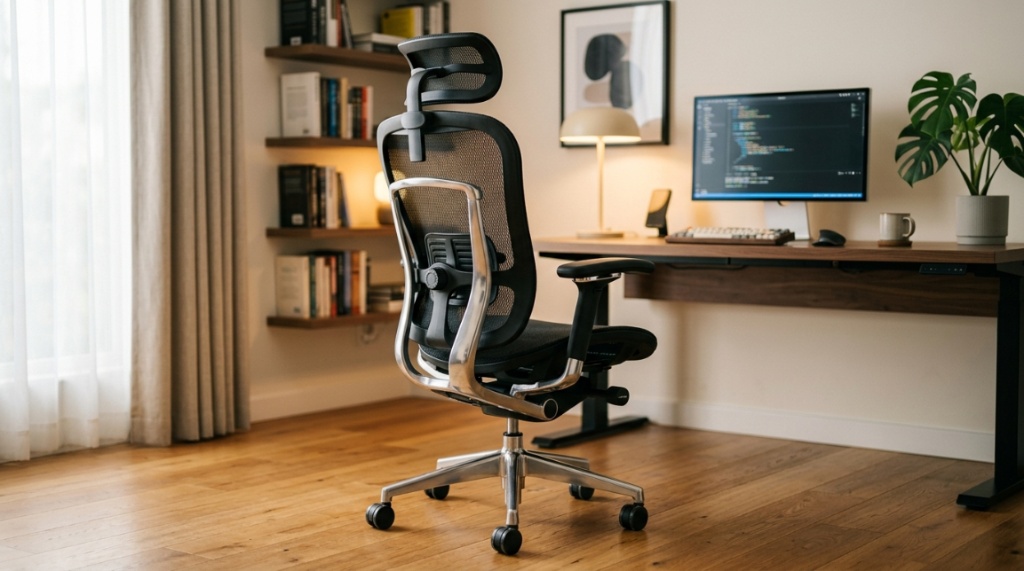
With the region’s humidity, especially in the Puget Sound area, a chair with a breathable mesh back is often superior. Mesh allows for air circulation, preventing that sticky, overheated feeling that can come from a solid foam or leather backrest. For the seat base, a high-density foam cushion that is firm but yielding is preferable. It provides support without the “bottoming out” effect you get with cheap foam. Consider that during the summer months, a leather seat can become uncomfortable if your home or office lacks adequate climate control.
Supporting Local vs. National Availability
One of the advantages of living in a state with major metropolitan areas is having access to showrooms. Visiting a store to test a chair in person is the single best way to determine if it’s right for you. While online reviews are helpful, they cannot tell you how the chair feels on your body. Many retailers in Seattle, Bellevue, and Tacoma carry major brands. If you can, spend 15 minutes in a chair, paying attention to the pressure on your tailbone and the support under your lumbar area. The “sit test” is your most valuable tool.
Common Mistakes People Make When Buying a Supportive Chair
Even with the best intentions, it’s easy to make a mistake that leads to disappointment and a sore back. Being aware of these common pitfalls can save you time, money, and physical discomfort. These are the nuanced errors that often separate a successful purchase from a regrettable one.
Mistake 1: Prioritizing Aesthetics Over Ergonomics
It’s easy to be drawn to a sleek, designer chair that looks great in your space. However, many aesthetically pleasing chairs lack the internal adjustment mechanisms needed for proper support. The shape of the backrest might look ergonomic but not fit your actual body. Your priority should be internal adjustability—the things you cannot see. A chair that offers a full range of adjustments, even if it looks more utilitarian, is a better investment for your health.
Mistake 2: Forgetting About Your Posture Habits
No chair can fix a bad posture habit. If you tend to sit on the edge of your seat, lean forward heavily, or sit cross-legged, you will undermine any chair’s support. The best chair in the world is only effective if you use it correctly. A good chair will encourage good posture, but you still need to be mindful of how you sit. Make a conscious effort to sit deep in the chair with your back fully against the backrest.
A Practical Framework for Comparing Chairs
When you are down to two or three finalists, how do you make a decision? Creating a simple comparison based on your needs is more effective than reading a hundred reviews. You need to match the chair’s capabilities to your specific physical requirements and your work style. This practical framework helps you break down the decision into manageable, logical criteria.
| Feature | Your Need | Chair A | Chair B |
|---|---|---|---|
| Lumbar Support | Adjustable in Height & Depth | Yes (both) | Height Only |
| Seat Depth Slider | Needed for 5’8″ frame | 4-inch range | 3-inch range |
| Armrest Adjustability | 4D for desk typing | Yes | 3D (No angle) |
| Mesh Back | High priority for comfort | Yes | Yes |
| Tilt Lock Mechanism | Must lock in upright position | Yes, multi-position | Yes, flat lock only |
Using this table, you can objectively map your requirements against the specifications of the chair you’re considering. This logic-based approach is far more effective than getting swayed by marketing language. It turns an emotional “this feels nice” decision into a rational “this meets my needs” one.
Why You Should Consider a Specialized Ergonomic Brand
In the search for back support, the brand name can matter, but not for the reasons you might think. Specialized ergonomic brands invest heavily in research and development around biomechanics. Their chairs are often designed by physical therapists and ergonomists, leading to subtle but important design differences. These brands typically offer a more extensive range of adjustments than general office furniture manufacturers, and they back their products with longer warranties, indicating confidence in their durability.
When comparing brands, look for those that have built a reputation for high-quality components, such as gas cylinders and tilt mechanisms that are certified to withstand hundreds of thousands of cycles. This is a sign of a long-term investment. While a specialized brand will likely cost more upfront, the cost-per-year of use is often lower than a cheaper chair that needs replacing every couple of years. This is about viewing the chair as an investment in your physical well-being and your productivity.
Frequently Asked Questions
What is the best type of office chair for lower back pain?
The best type is one with a highly adjustable lumbar support that can be moved vertically and in depth to fit the curve of your lower spine. Look for a chair with a tension-adjustable tilt mechanism that allows you to recline slightly and take pressure off the discs in your back. A seat depth slider is also essential to ensure proper thigh support.
How much should I spend on a good ergonomic chair?
You can find adequate chairs around $200, but for a chair with the adjustability needed for true back support, expect to spend between $400 and $1,000. This price range typically includes chairs with solid build quality, robust adjustment mechanisms, and longer warranties. Consider this a long-term health investment rather than a simple office expense.
Is a mesh or leather office chair better for back support?
Mesh is generally better for long-term comfort and support. It provides equal support to leather but allows air to flow, preventing heat and moisture buildup. Leather chairs can encourage slouching due to their slippery surface. Mesh is also more flexible and can contour to your back while maintaining its structure.
How long should an ergonomic office chair last?
A high-quality ergonomic chair, particularly one from a specialized brand, should last between 8 and 15 years with regular use. The key is the quality of the gas cylinder, the tilt mechanism, and the foam density in the seat cushion. A good warranty (5-10 years) is a strong indicator of the manufacturer’s confidence in longevity.
Can a good office chair improve my posture?
Yes, a good chair can provide the structural support needed to maintain a neutral spine position, encouraging better posture. However, it is not a passive solution. You must still be mindful of your posture and use the chair’s adjustments to support your body. It makes good posture easier, but doesn’t do the work for you.
Conclusion
Finding the top rated back support office chairs WA has to offer requires moving beyond a simple “best of” list. It involves an honest assessment of your body, an understanding of key ergonomic features, and a willingness to invest in your long-term health. Remember to prioritize adjustability—lumbar, seat depth, and armrests—over aesthetics. A chair that can be customized to fit you perfectly is an invaluable tool for comfort and productivity. Don’t rush the decision; take your time to research, and if possible, test chairs in person. Your back will thank you for the diligence and thoughtful consideration you put into this important purchase.