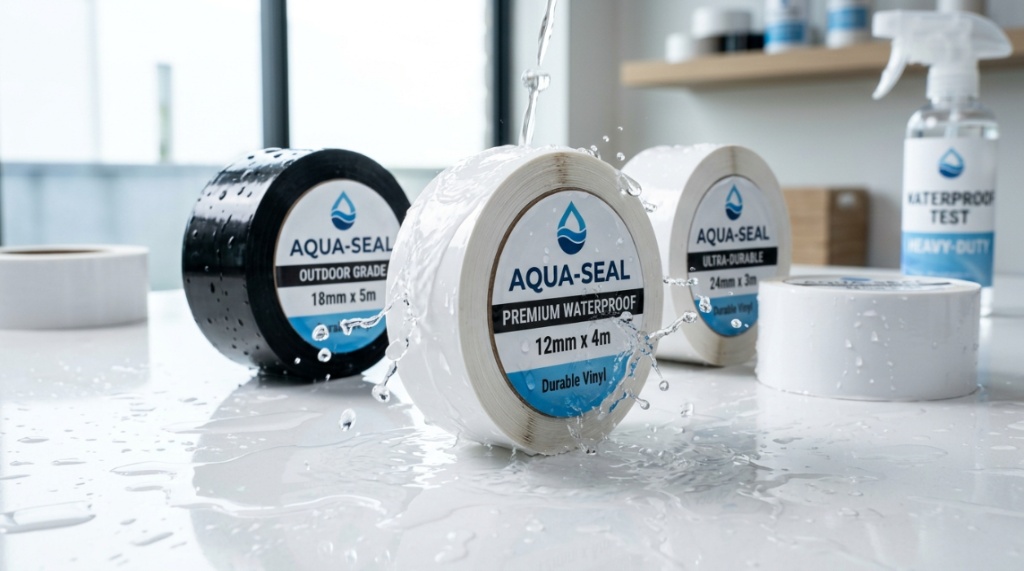
You are standing in a warehouse in Fresno, a shipping dock in Oakland, or a outdoor gear shop in San Diego. The label you just printed is already starting to peel because the summer heat or coastal fog got to it. If you need labels that survive rain, cold storage, or oily surfaces, finding the right waterproof label tapes California suppliers can feel like searching for a needle in a haystack.
You don’t just need any tape; you need one that bonds permanently under extreme conditions. This guide cuts through the noise. We will walk you through exactly what makes a label truly waterproof, where to source them locally and online, and how to avoid common mistakes that waste time and money. By the end, you will know precisely which material to choose for your specific job, whether you are labeling chemical drums, shipping boxes, or outdoor equipment.
What Exactly Makes a Label Tape “Waterproof”?
A waterproof label tape is not just water-resistant. It is engineered to withstand continuous exposure to moisture, chemicals, and temperature swings without smudging, lifting, or becoming illegible. The magic lies in three components: the face stock, the adhesive, and the ink system. Thermal transfer printing, for example, uses a ribbon that melts into the synthetic material, creating a bond that cannot be smeared by water. Dye-based thermal direct paper, on the other hand, will turn black if it gets wet. True waterproof labels use polyester, polypropylene, or vinyl face stocks combined with acrylic or rubber-based adhesives that maintain grip even underwater.
Face Stock Materials That Resist Moisture
The top layer of the label is your first defense. Polyester (PET) is the gold standard for industrial use. It is extremely durable, resists tears, and handles temperatures from -40°F to 300°F. Polypropylene is a more economical choice for indoor damp environments like breweries or cosmetic labs. Vinyl is flexible and often used for curved surfaces like gas cans or garden hoses. Each material reacts differently to UV light and chemicals, so your choice depends on the specific environment in California—coastal salt spray versus inland desert sun.
The Critical Role of Adhesive Choice
Even the best face stock fails if the adhesive fails. Permanent acrylic adhesives perform well on cold, wet surfaces like beverage bottles or frozen food packaging. Rubber-based adhesives offer high initial tack and bond aggressively to rough surfaces like concrete or cardboard, but they can degrade under prolonged UV exposure. For California applications like outdoor construction sites or agricultural labels, look for adhesives specifically rated for “cold temperature application” or “high humidity.”
Printing Technology Matters More Than You Think
You can buy the most expensive waterproof material, but if you print it with a standard inkjet printer, the ink will run. Thermal transfer printing is the industry standard for waterproof labels because the wax-resin or resin ribbon physically embeds the image into the synthetic material. Direct thermal labels are not inherently waterproof unless specifically coated, and even then, they are less durable than transfer-printed alternatives. Always verify that your printer and ribbon are compatible with the synthetic label stock you purchase.
Why Do Standard Label Tapes Fail in California’s Climate?
California presents a unique triple threat to labels: extreme heat in the Central Valley, persistent coastal humidity, and drastic temperature swings from desert days to freezing nights. Standard paper labels absorb moisture, causing them to wrinkle and disintegrate. Adhesives that work perfectly in a climate-controlled office become brittle in the cold or turn into gooey messes in a hot delivery truck. You need materials specifically engineered for these conditions, not generic “shipping” labels. The difference between a label that lasts three days and one that lasts three years is often just a few cents per inch, but it saves thousands in relabeling labor and compliance fines.
Heat Resistance and Thermal Transfer Ribbons
In places like Palm Springs or Bakersfield, truck beds can reach 160°F. Standard wax ribbons smudge under that heat. You need a resin ribbon that fuses permanently to the synthetic material. Resin ribbons are smear-proof and chemical-resistant, making them ideal for asset tags and outdoor equipment labels. If you print with a wax-resin blend, test it first. Place the label on a dashboard in full sun for a day. If it smudges, upgrade to a full resin ribbon.
Coastal Fog and Salt Spray Challenges
From Santa Cruz to San Diego, the marine layer brings constant moisture and salt. Salt accelerates adhesive failure and can corrode the label surface. Vinyl overlaminates or polyester labels with aggressive acrylic adhesives perform best here. Avoid paper-based labels entirely. A simple test: stick a label to a stainless steel surface, submerge it in salt water for 24 hours, and check for edge lift. If it passes, it is suitable for coastal use.
Cold Storage and Freezer Applications
Warehouses in Tracy or Ontario often have freezer sections at -10°F. Standard adhesives become brittle and lose grip. You need freezer-grade acrylic adhesives specifically formulated for cold temperatures. The label material itself must be flexible enough to not crack. Polyethylene and polypropylene are good choices, but polyester can become stiff. Always apply freezer labels to the surface while the item is cold, and avoid handling the label while your hands are warm, as condensation can create a moisture barrier between the adhesive and the surface.
How to Identify Reputable Suppliers of Waterproof Label Tapes in California
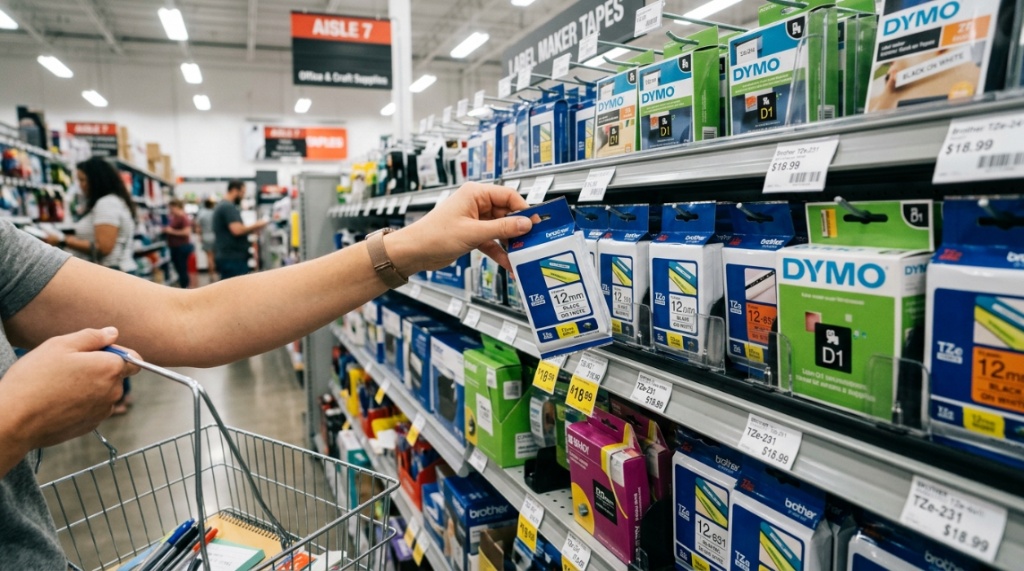
Finding a trustworthy supplier involves more than a Google search. You need vendors who understand local industry requirements, offer samples for testing, and can provide technical datasheets. Look for companies that specialize in industrial labeling or thermal transfer supplies, not generic office supply retailers. A good supplier will ask about your printer model, surface material, and environmental conditions before recommending a product. They should also be able to provide a reference from a California-based company in a similar industry.
Questions to Ask Before You Buy
Always ask these four questions: What is the temperature range for the adhesive? Is the material UL recognized or RoHS compliant? Can I get a 5-foot sample roll for testing? What is the return policy if the labels fail in my application? A reputable supplier will gladly answer these. If they hesitate or offer vague answers, move on.
Local vs. National Distributors
Local distributors in California offer faster shipping and often have a better understanding of regional compliance issues, such as Proposition 65 for chemicals. National distributors like Uline or Avery provide consistency but may offer generic solutions that do not address specific California climate challenges. For critical applications, a local specialty supplier who stocks multiple material types is usually a better partner.
Online Marketplaces and Third-Party Sellers
Amazon and eBay are convenient for small quantities, but seller quality varies wildly. Always check the listing for the manufacturer’s part number and datasheet. Avoid generic “compatible with” labels that do not specify material composition. Stick to products made by known manufacturers like Brady, Zebra, or 3M, and verify the seller is an authorized distributor. Counterfeit or off-spec labels are a common problem on these platforms.
Which Materials Are Best for Outdoor Labels in California?
For outdoor labels exposed to direct sunlight, rain, wind, and temperature swings, the best material is a UV-resistant polyester with a permanent acrylic adhesive and a resin thermal transfer ribbon. This combination resists fading, cracking, and delamination for years. Avoid polypropylene for long-term outdoor use, as it becomes brittle under UV light. Vinyl is acceptable for short-term outdoor signage but is not as durable as polyester for permanent asset tags.
Comparison of Common Waterproof Label Materials
| Material | Water Resistance | UV Resistance | Temperature Range | Best Use Case |
|---|---|---|---|---|
| Polyester (PET) | Excellent | Excellent | -40°F to 300°F | Industrial, outdoor, chemical |
| Polypropylene | Good | Moderate | -20°F to 200°F | Indoor damp, brewery, short-term outdoor |
| Vinyl | Good | Moderate | -40°F to 180°F | Flexible surfaces, curved containers |
| Polyimide | Excellent | Excellent | -100°F to 500°F | Extreme heat, electronics, circuit boards |
When to Choose Polyester Over Vinyl
If your label will be exposed to direct sunlight for more than six months, choose polyester. Vinyl can yellow and become brittle within a year. If the label needs to conform to a curved surface like a gas can or a pipeline, vinyl is more flexible and easier to apply. Polyester is stiffer and may not adhere well to sharp curves without heat application.
Specialty Materials for Chemical Resistance
Industrial facilities in California, such as refineries in Richmond or semiconductor fabs in San Jose, need labels that resist solvents, acids, and oils. Polyimide labels are expensive but withstand harsh chemical exposure and extreme temperatures. Polyester with a resin ribbon is a robust alternative for less aggressive chemicals. Always request a chemical resistance chart from your supplier before purchasing.
How to Test If a Label Tape Is Truly Waterproof
Do not trust marketing claims. Perform a simple three-step test before committing to a large order. This test takes less than 24 hours and can save you from a costly relabeling project. You need a sample of the label, a printed sample using your printer and ribbon, a clean surface (stainless steel or glass), and a bucket of water. Print the label, let it cure for 24 hours, then submerge it completely. Check for edge lift, smudging, or color fading after 12 hours. For a more rigorous test, rub the wet label with your finger. If the image smears, the ink system is not bonded properly.
Quick Immersion Test for Edge Lifting
Apply the label to a flat, clean surface. Submerge it in room-temperature water for 12 hours. Remove and pat dry. Use a fingernail to test the edges. If the adhesive has lifted even slightly, the label will fail in the field. This test is non-destructive, so you can reuse the sample if it passes.
The Scratch and Smudge Test
After immersion, scratch the printed surface with a coin. If the ink scratches off, the ribbon is not fully fusing to the material. This indicates a compatibility issue between your ribbon and the label stock. Switch to a resin ribbon if you are using a wax-resin blend. Also rub the label with a damp cloth. If any color transfers, the label is not waterproof.
Freeze and Thaw Cycle Test
For cold storage applications, apply the label to a metal surface and place it in a freezer at 0°F for 24 hours. Remove and immediately place it in a warm environment. Look for cracking, which indicates the material is not flexible enough at low temperatures. Repeat the cycle three times. If the label remains intact and adhered, it is suitable for temperature-variable environments.
Can I Use Waterproof Label Tapes on Any Surface?
No, waterproof labels do not stick well to all surfaces. Low surface energy (LSE) plastics like polyethylene and polypropylene, as well as silicone-coated materials, are notoriously difficult. You need specialized LSE adhesives for these materials. Similarly, surfaces contaminated with dust, oil, or moisture will cause immediate failure. Always clean the surface with isopropyl alcohol or a recommended cleaning solution before applying. Rough surfaces like concrete require thicker adhesives with higher tack.
Stop settling for labels that let you down. Start with the checklist above, and if you need a curated list of reliable options, review our guide on waterproof label tapes California to find the best fit for your workflow. Your labels should work as hard as you do.
Tips for Adhering to Rough or Textured Surfaces
For concrete, brick, or textured plastic, choose a label with a thick, rubber-based adhesive. Apply firm pressure for at least 10 seconds, and use a roller if possible. Labels with a removable liner are easier to apply to rough surfaces because you can apply them from one edge to prevent air bubbles. Avoid using rigid polyester on extremely rough surfaces, as it will not conform to the texture.
Common Surfaces That Reject Waterproof Labels
Unpainted metals, especially aluminum and stainless steel, require aggressive adhesives. Teflon, silicone, and rubber surfaces are nearly impossible to label without special chemical primers. If you need to label rubber hoses or silicone pads, look for high-tack acrylic adhesives specifically designed for LSE materials, or consider using a cable tie tag instead.
Surface Preparation Best Practices
Clean the surface with a degreaser. Allow it to dry completely. Apply the label when both the surface and the label are at room temperature, ideally between 60°F and 80°F. For cold surfaces, warm the label slightly with a heat gun (do not overheat) to improve initial tack. Press firmly from center to edges to eliminate air pockets. For larger labels, use a squeegee to ensure full contact.
Where to Find Waterproof Label Tapes for Specialty Applications in California
For niche industries like wineries, medical device manufacturing, or aerospace, general-purpose labels will not cut it. You need suppliers who carry FDA-compliant materials for food contact, medical-grade adhesives for sterilization, or ultra-high-temperature labels for jet engine parts. Look for distributors that offer certified traceability and lot tracking. These specialty suppliers often have a minimum order quantity, but they provide the documentation needed for compliance audits.
Wineries and Breweries
California is a wine and craft beer hub. Labels for bottles must withstand ice baths, condensation, and long-term storage. Polyester labels with permanent acrylic adhesives are standard. However, if you need labels that can be removed for bottle returns, a removable adhesive is required. Always test the label on a wet bottle because condensation creates a barrier.
Medical and Pharmaceutical Facilities
Biological samples, pharmaceutical vials, and medical device packaging require labels that can withstand autoclaving, alcohol wipes, and cold storage. Look for materials rated for gamma irradiation or ethylene oxide sterilization. Polyester and polyimide are common. Always request a Certificate of Compliance to ensure the labels meet FDA or ISO criteria. A supplier in Irvine or San Diego who specializes in healthcare labeling can provide custom solutions.
Agricultural and Chemical Industries
In the Central Valley, labels on pesticide drums, fertilizer bags, and irrigation equipment face harsh chemical exposure and outdoor UV. Use polyester labels with aggressive acrylic adhesives and resin ribbons. For chemical drums, the label must also be resistant to the specific chemical stored. Request a chemical resistance datasheet from the manufacturer. Many agricultural suppliers in Fresno or Modesto stock these materials because of local demand.
How Much Should You Pay for Quality Waterproof Label Tapes?
You can expect to pay between $0.15 and $0.50 per linear foot for standard 4-inch by 6-inch polyester labels, depending on quantity and source. Custom sizes or specialty materials like polyimide can cost $1.00 or more per foot. Cheap labels under $0.10 per foot are almost certainly paper-based or have low-quality adhesives that will fail. The true cost of a label is not the price per roll but the cost per successful application. A few extra dollars per roll is a fraction of the cost of relabeling a pallet of goods.
Factors That Influence Price
Material type is the primary driver. Polypropylene is cheaper than polyester. Adhesive quality also matters; permanent acrylic adhesives cost more than standard acrylics. Ribbon compatibility affects total cost because a mismatch forces you to buy a separate ribbon type. Bulk purchasing (10+ rolls) typically reduces the per-roll price by 10–20%. Custom printing or slit-to-size rolls also add to the cost, supplies, it’s important to know whether you are using a dedicated label maker vs shipping printer, as waterproof tape compatibility varies by machine type
Hidden Costs to Watch For
Shipping from specialized suppliers can be high, especially for heavy rolls. Minimum order quantities may force you to buy more than you need. Testing costs from your time are also a factor. A small investment in testing samples before buying a bulk order saves significant money in the long run.
Value of Bulk Purchasing for California Businesses
If you are a manufacturer in Los Angeles or a logistics company in Stockton, buying a case of 24 rolls can halve your per-foot cost. Many suppliers offer volume discounts for 10+ cases. Additionally, buying all your labels from one source simplifies inventory management and ensures consistency. Just make sure the supplier can accommodate urgent reorders with a short lead time.
Frequently Asked Questions
What is the difference between waterproof and water-resistant label tape?
Water-resistant labels can handle occasional splashes or brief exposure to moisture, but they will fail under continuous submersion or high humidity. Waterproof labels are engineered to withstand prolonged water exposure, including immersion, without degrading. Always check the product specifications for submersion rating.
Can I use waterproof label tapes in a standard office printer?
Inkjet and laser printers can print on some synthetic label stocks, but the printed image is not waterproof. The ink sits on top of the material and can run. Thermal transfer printing is the only method that provides a truly waterproof bond. If you use an office printer, you must apply a clear laminating overlaminate to protect the ink.
How long do waterproof labels last outdoors in California?
High-quality polyester labels with a resin ribbon can last up to 5 years outdoors. UV exposure, temperature swings, and physical abrasion will eventually degrade any label. Expected lifespan in coastal areas is shorter due to salt, while inland areas with less sun may see longer durability. Vinyl labels typically last 1–2 years before yellowing.
What is the best label for frozen food packaging?
Use freezer-grade polypropylene or polyester labels with a permanent acrylic adhesive rated for -20°F or lower. The adhesive must be applied to a cold surface for best hold. Avoid paper labels, as they will absorb moisture and disintegrate. Ensure your printer uses a resin ribbon for cold environments.
Do waterproof labels work on glass surfaces?
Yes, but you need an adhesive specifically designed for high-surface-energy materials like glass. Permanent acrylic adhesives bond well to glass, but be aware that some adhesives may leave residue upon removal. If you need a removable label for returnable bottles, choose a removable adhesive.
How can I remove a waterproof label from a surface?
Use a heat gun or hairdryer to soften the adhesive, then peel slowly. For residue, apply isopropyl alcohol or a commercial adhesive remover. Do not use a razor blade on painted or delicate surfaces as it will scratch the material. Some adhesives are designed to be permanent and may require solvent to remove completely.
Are waterproof label tapes compatible with Zebra printers?
Yes, most waterproof label tapes are designed for thermal transfer printers like Zebra, Brady, and others. You must match the ribbon type (wax, wax-resin, or resin) to the label material. Use a resin ribbon for maximum waterproofing. Always run a test print to confirm compatibility.
Conclusion
Finding reliable waterproof label tapes California does not have to be a guessing game. You now know exactly what to look for: synthetic face stocks like polyester or polypropylene, permanent acrylic or rubber-based adhesives rated for your specific environment, and a resin or wax-resin ribbon for smudge-proof printing. Remember to test samples before committing to a bulk order, ask suppliers for technical data, and choose materials that match your industry’s compliance needs. Whether you are labeling beer bottles in Napa, chemical drums in Fresno, or surgical kits in San Diego, the right tape will save you time, money, and frustration.